
Many of us have heard that earthworms are a gardener’s best friends. But, is it true? How can an icky and slimy creature be helpful in any way?! Well, the fact is that these little crawlers and wigglers may be the key factor in the success of your garden. They help to such an extent that many people refer to them as ‘Nature’s Plough’, and rightly so.
Gardening is a passion that connects us to the very essence of nature, and in this green endeavor, earthworms play an indispensable role. Often called “nature’s plough,” earthworms are vital for maintaining healthy soil and promoting robust plant growth. In this blog post, we’ll explore the importance of earthworms in gardening, including home gardening, kitchen gardening, composting, balcony gardening, and the tools needed to support them. We’ll also delve into the types of earthworms used in gardening and identify the best ones for both container and land gardening.
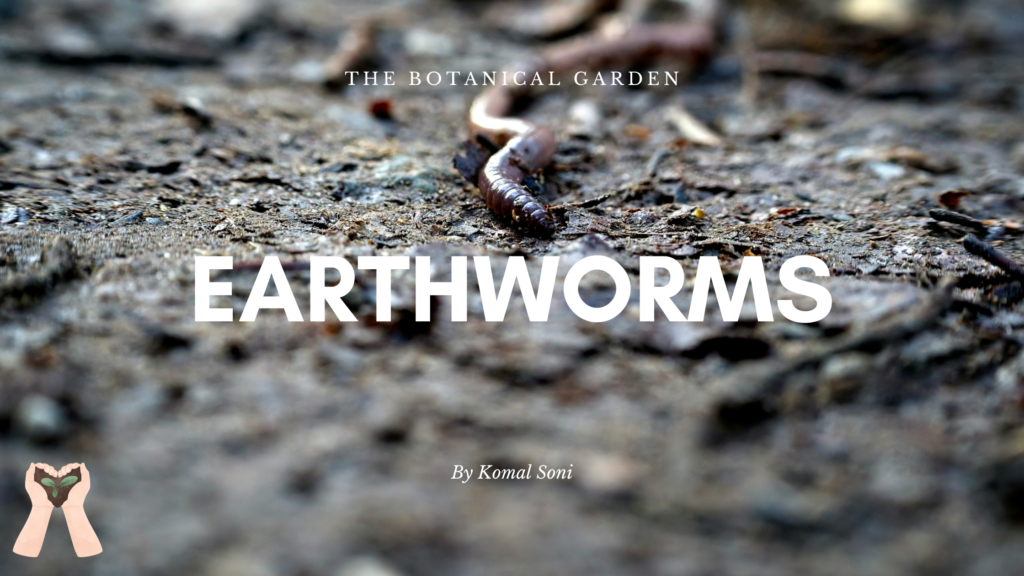
The Importance of Earthworms in Gardening
Earthworms are more than just garden inhabitants; they are tireless workers who contribute significantly to soil health and plant vitality. Here are some key benefits of earthworms in gardening:
1. Soil Aeration: As earthworms burrow through the soil, they create channels that allow air to reach plant roots, enhancing oxygen availability and promoting healthier root systems.
2. Nutrient Recycling: Earthworms consume organic matter and excrete nutrient-rich castings, which are highly beneficial for plants. These castings improve soil fertility and structure.
3. Moisture Retention: The burrows created by earthworms help retain soil moisture, ensuring that plants receive a consistent supply of water.
4. Improved Soil Structure: Earthworms break down organic matter, transforming it into humus, which improves soil texture, making it more friable and easier for plant roots to penetrate.
5. Pest Control: By consuming decomposing organic matter, earthworms help reduce the presence of harmful pathogens and pests in the soil.
Types of Earthworms Used in Gardening
Several species of earthworms are commonly used in gardening, each with its unique benefits. Here are some of the most popular types:
1. Red Wigglers (Eisenia fetida)
• Best for: Composting and container gardening.
• Benefits: Red wigglers are excellent composters, breaking down organic waste rapidly and producing rich, nutrient-dense castings. They thrive in confined spaces, making them ideal for compost bins and container gardens.
2. European Nightcrawlers (Eisenia hortensis)
• Best for: Both composting and soil aeration in garden beds.
• Benefits: These earthworms are larger than red wigglers and are effective at aerating the soil while also contributing to composting. They are robust and can handle various environmental conditions.
3. African Nightcrawlers (Eudrilus eugeniae)
• Best for: Composting in warmer climates.
• Benefits: African nightcrawlers are known for their rapid composting abilities and high-quality castings. They thrive in warm temperatures, making them ideal for tropical or subtropical regions.
4. Indian Blue Worms (Perionyx excavatus)
• Best for: Composting in tropical climates.
• Benefits: These worms are prolific breeders and excellent composters, quickly breaking down organic material. They prefer warm, humid conditions.
5. Common Earthworm (Lumbricus terrestris)
• Best for: Soil aeration in garden beds.
• Benefits: Also known as the nightcrawler, this species is great for aerating and enriching garden soil. They are less suitable for compost bins but are excellent for traditional garden beds.
Best Earthworms for Different Gardening Scenarios
1. Container Gardening
• Red Wigglers: Due to their small size and high reproductive rate, red wigglers are perfect for container gardening. They can efficiently compost kitchen scraps and other organic matter, providing rich nutrients for your potted plants.
2. Land Gardening
• European Nightcrawlers and Common Earthworms: These earthworms are ideal for land gardening as they can burrow deep into the soil, improving aeration and soil structure. Their presence in garden beds can significantly enhance plant growth and soil health.
3. Composting
• Red Wigglers and African Nightcrawlers: Both species are excellent for composting. Red wigglers are great for small-scale composting in bins, while African nightcrawlers are suitable for larger compost piles, especially in warmer climates.
How to Support Earthworms in Your Garden
To encourage earthworms to thrive in your garden, you need to create a conducive environment for them. Here are some tips:
1. Provide Organic Matter: Regularly add compost, leaf litter, and other organic materials to your soil. This provides a food source for the earthworms and helps maintain soil fertility.
2. Maintain Moisture: Earthworms need a moist environment to survive. Regular watering and mulching can help retain soil moisture, making it more inviting for earthworms.
3. Avoid Chemical Pesticides and Fertilizers: These can harm earthworms and reduce their populations. Opt for organic alternatives to protect these beneficial creatures.
4. Use Mulch: Applying a layer of mulch helps retain soil moisture, regulates temperature, and provides a food source for earthworms as it decompose.
5. Create a Worm Bin: For kitchen gardening and composting, setting up a worm bin with red wigglers can be an effective way to recycle organic waste and produce nutrient-rich compost.
Essential Gardening Tools and Supplies
Supporting earthworms in your garden requires some basic tools and supplies. Here are a few essentials:
1. Compost Bin: A compost bin is crucial for creating a habitat for composting earthworms like red wigglers.
2. Garden Fork: This tool is useful for turning compost piles and aerating garden soil without harming earthworms.
3. Watering Can or Hose: Consistent watering is essential to maintain soil moisture for earthworms.
4. Mulch: Organic mulch such as straw, leaves, or wood chips provides food and moisture retention for earthworms.
5. Soil Thermometer: Helps monitor soil temperature, ensuring it stays within a range that supports earthworm activity.
Conclusion
Earthworms are indeed nature’s plough, tirelessly working beneath the surface to improve soil health and promote plant growth. Whether you’re a home gardener, a kitchen gardener, or tending to a balcony garden, understanding the importance of these unsung heroes and how to support them can transform your gardening experience.
By choosing the right types of earthworms and providing them with a conducive environment, you can reap the benefits of their labor, resulting in healthier plants and more productive gardens. Embrace the power of earthworms and let them help you cultivate a thriving, vibrant garden. Happy gardening!
I hope this detailed guide on earthworms helps you appreciate their vital role in gardening and inspires you to incorporate them into your gardening practices. By sharing my passion and knowledge, I aim to support fellow garden enthusiasts in their journey toward creating beautiful, productive gardens.